
Introduction
Managing money effectively is one of the most important skills for achieving financial stability and long-term success. Many people earn enough income but still struggle with saving, budgeting, and controlling expenses because they lack proper financial management habits. Learning practical money management tips can help individuals make better financial decisions, reduce unnecessary spending, build savings, and create a stronger financial future.
Good money management is not only about earning more money. It is about understanding where your money goes, planning your expenses, setting financial goals, and using your income wisely. Whether you are a student, employee, entrepreneur, or family provider, developing strong financial habits can improve your overall quality of life.
With rising living costs and changing economic conditions, managing personal finances has become more important than ever. A structured approach to budgeting, saving, investing, and reducing debt can help you stay financially prepared for both expected and unexpected situations.
This guide covers essential money management tips, including budgeting strategies, saving methods, expense control, financial planning, common mistakes, and expert advice to help you build better financial habits and achieve your goals.
What Are Money Management Tips?
Money management tips are practical strategies and habits that help individuals control their income, expenses, savings, and financial decisions. These tips focus on making better use of money while preparing for future needs and financial goals.
Effective money management includes:
- Creating a budget
- Tracking expenses
- Saving regularly
- Managing debt
- Planning investments
- Setting financial goals
The purpose is to create financial balance and avoid unnecessary money problems.
Why Are Money Management Tips Important?
Strong money management skills provide several financial benefits.
Some key advantages include:
- Helps control spending
- Improves savings habits
- Reduces financial stress
- Supports future planning
- Helps manage debt effectively
- Encourages responsible financial decisions
- Builds financial confidence
When people understand how to manage money properly, they can make smarter choices and achieve greater financial security.
Detailed Step-by-Step Guide
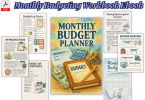
Step 1: Create a Monthly Budget
A budget is the foundation of effective money management.
Start by listing:
- Monthly income
- Housing costs
- Food expenses
- Transportation costs
- Bills
- Savings goals
- Entertainment expenses
A budget helps you understand your financial situation and prevents overspending.
Step 2: Track Your Expenses
Many people lose money because they do not know where their income goes.
Track:
- Daily purchases
- Online shopping
- Subscriptions
- Utility bills
- Food expenses
Expense tracking helps identify areas where you can save money.
Step 3: Set Clear Financial Goals

Financial goals give you motivation and direction.
Examples include:
- Building emergency savings
- Buying a home
- Paying off debt
- Starting investments
- Saving for education
Create short-term and long-term goals based on your priorities.
Step 4: Build an Emergency Fund
An emergency fund protects you from unexpected financial situations.
It can help cover:
- Medical expenses
- Job loss
- Urgent repairs
- Unexpected bills
Having savings available reduces the need to rely on credit during emergencies.
Step 5: Reduce Unnecessary Expenses
Review your spending habits and identify areas where you can cut costs.
Consider reducing:
- Unused subscriptions
- Impulse purchases
- Frequent dining out
- Unplanned shopping
Small savings can create significant financial improvements over time.
Step 6: Pay Bills on Time
Late payments can create additional costs and financial stress.
Develop habits such as:
- Setting reminders
- Automating payments
- Reviewing bills regularly
Timely payments improve financial organization.
Step 7: Manage Debt Wisely
Debt management is an important part of financial planning.
Focus on:
- Paying high-interest debt first
- Avoiding unnecessary borrowing
- Creating a repayment plan
- Understanding loan terms
Responsible debt management improves financial health.
Step 8: Save Money Regularly
Saving should become a consistent habit.
You can:
- Save a fixed amount monthly
- Automate savings transfers
- Set specific savings targets
Regular savings help create financial security.
Step 9: Learn Basic Investing
Saving money is important, but investing can help your money grow over time.
Learn about options such as:
- Stocks
- Bonds
- Mutual funds
- ETFs
- Retirement accounts
Always research before making investment decisions.
Step 10: Review Your Financial Progress
Review your financial situation regularly.
Check:
- Savings growth
- Spending habits
- Debt progress
- Investment performance
- Financial goals
Regular reviews help you stay on track.
Benefits of Money Management Tips
- Improves financial control
- Increases savings
- Reduces unnecessary spending
- Helps achieve financial goals
- Builds emergency security
- Improves budgeting skills
- Reduces money-related stress
- Encourages responsible spending
- Supports wealth building
- Creates long-term financial stability
Disadvantages and Challenges
Although money management provides many benefits, some challenges may occur.
- Requires discipline
- Needs regular tracking
- Changing spending habits can be difficult
- Financial goals may take time
- Unexpected expenses can affect plans
- Requires continuous learning
Consistency is the key to overcoming these challenges.
Common Mistakes to Avoid
Avoid these common money management mistakes:
- Spending without a budget
- Ignoring small expenses
- Not saving regularly
- Using credit unnecessarily
- Failing to track spending
- Delaying financial planning
- Ignoring emergency savings
- Making emotional purchases
Avoiding these mistakes can improve your overall financial health.
Frequently Asked Questions
1. What are money management tips?
Money management tips are strategies that help individuals control spending, increase savings, manage debt, and improve financial decision-making.
2. Why is budgeting important?
Budgeting helps you understand your income and expenses, control spending, and allocate money toward important financial goals.
3. How can I save money every month?
You can save money by creating a budget, reducing unnecessary expenses, automating savings, and tracking your spending habits.
4. How much money should I keep in emergency savings?
Many financial experts recommend building an emergency fund that can cover several months of essential expenses.
5. Is investing important for money management?
Yes. Investing can help grow wealth over time, but it requires proper research and understanding of risks.
6. How can I improve my money habits?
Start by tracking expenses, setting goals, creating a budget, saving consistently, and reviewing your financial progress regularly.
Expert Tips and Bonus Points
Financial experts recommend:
- Create a realistic budget.
- Pay yourself first by saving before spending.
- Avoid unnecessary debt.
- Track your financial progress.
- Build emergency savings.
- Learn about investing.
- Compare prices before purchases.
- Focus on long-term financial goals.
Small financial improvements can create major results over time.
Conclusion
Money management tips are essential for anyone who wants to achieve financial stability and build a secure future. Managing money effectively requires discipline, planning, and consistent effort. By creating a budget, tracking expenses, saving regularly, reducing unnecessary costs, and making informed financial decisions, individuals can gain better control over their finances.
Financial success is not only about how much money you earn but also about how effectively you manage it. Developing strong money habits allows you to prepare for emergencies, achieve personal goals, and create long-term financial confidence. By applying these strategies consistently, you can improve your financial situation and build a healthier relationship with money.