
Introduction
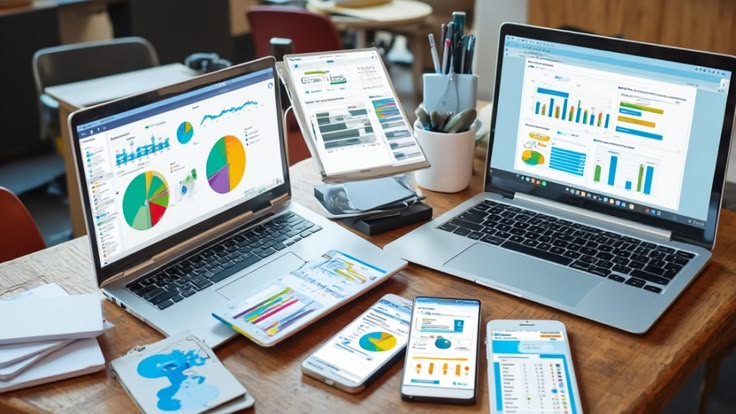
Managing money effectively starts with understanding where your money goes. Many people earn a stable income but still struggle financially because they do not track their spending habits. An expense tracking guide helps individuals and businesses monitor their expenses, identify unnecessary costs, and make smarter financial decisions.
Expense tracking is not just about recording purchases; it is about gaining control over your financial situation. By keeping a clear record of daily, weekly, and monthly expenses, you can understand your spending patterns and create better financial plans. Whether you want to save more money, reduce debt, improve budgeting, or manage business finances, tracking expenses is an essential step.
Without proper expense monitoring, small purchases can quickly add up and affect your financial goals. On the other hand, a well-organized tracking system allows you to find saving opportunities and allocate money toward important priorities.
This expense tracking guide explains what expense tracking means, why it is important, practical steps to track expenses effectively, common mistakes, benefits, challenges, and expert tips to improve your financial management skills.
What Is an Expense Tracking Guide?
An expense tracking guide is a resource that explains how individuals or businesses can record, organize, and analyze their spending. Expense tracking involves monitoring every payment made and categorizing expenses to understand financial habits.
Common expense categories include:
- Housing costs
- Food expenses
- Transportation
- Utility bills
- Entertainment
- Shopping
- Business expenses
- Savings contributions
The main purpose of expense tracking is to create financial awareness and improve money management.
Why Is Expense Tracking Important?
Tracking expenses provides a clear understanding of your financial behavior.
Some major benefits include:
- Helps control spending
- Improves budgeting accuracy
- Identifies unnecessary expenses
- Supports saving goals
- Reduces financial stress
- Improves financial planning
- Helps manage cash flow
When you know exactly where your money goes, you can make better financial decisions.
Detailed Step-by-Step Guide
Step 1: Choose an Expense Tracking Method
Select a method that fits your lifestyle.
Options include:
- Mobile budgeting apps
- Spreadsheets
- Digital notes
- Paper notebooks
- Banking tools
The best method is the one you can maintain consistently.
Step 2: Record Every Expense
Track all purchases, including small expenses.
Examples include:
- Coffee purchases
- Online shopping
- Transportation costs
- Subscription payments
- Daily food expenses
Small expenses may seem insignificant but can have a major impact over time.
Step 3: Categorize Your Expenses
Organizing expenses makes analysis easier.
Create categories such as:
- Essential expenses
- Personal spending
- Debt payments
- Savings
- Investments
- Business costs
Categories help identify where most of your money is being used.
Step 4: Review Your Spending Patterns

After collecting expense data, analyze your habits.
Look for:
- High spending areas
- Unnecessary purchases
- Monthly trends
- Opportunities to save
Regular reviews help improve financial decisions.
Step 5: Create a Realistic Budget
Use your expense information to build a better budget.
A budget should include:
- Monthly income
- Fixed expenses
- Variable expenses
- Savings goals
- Emergency funds
Accurate expense tracking makes budgeting easier.
Step 6: Identify Areas to Reduce Costs
Expense tracking helps discover unnecessary spending.
Consider reducing:
- Unused subscriptions
- Frequent takeout meals
- Impulse purchases
- Expensive habits
- Non-essential services
Small adjustments can create significant savings.
Step 7: Set Financial Goals
Use expense tracking to support financial objectives.
Examples include:
- Saving for a home
- Paying off debt
- Building emergency savings
- Increasing investments
- Improving business profitability
Clear goals provide motivation and direction.
Step 8: Review Expenses Regularly
Make expense reviews a monthly habit.
Check:
- Total spending
- Savings progress
- Budget performance
- Financial improvements
Regular reviews help maintain control.
Step 9: Separate Personal and Business Expenses
For business owners, separating expenses is essential.
Maintain separate records for:
- Personal purchases
- Business operations
- Employee costs
- Business investments
This improves financial accuracy and reporting.
Step 10: Improve Your Tracking System
As your financial needs change, update your tracking method.
Improve your system by:
- Adding useful categories
- Using automation tools
- Creating monthly reports
- Reviewing financial goals
An effective system grows with your needs.
Benefits of Expense Tracking
- Provides better financial awareness
- Helps control unnecessary spending
- Improves budgeting skills
- Supports saving goals
- Reduces financial stress
- Helps identify spending patterns
- Improves money management
- Supports better decision-making
- Helps businesses manage costs
- Creates financial discipline
Disadvantages and Challenges
Although expense tracking is useful, some challenges may occur.
- Requires regular effort
- Can feel time-consuming initially
- Requires discipline
- Manual tracking may become difficult
- Financial habits take time to change
- Some expenses may be forgotten
Creating a simple and consistent system helps overcome these challenges.
Common Mistakes to Avoid
Avoid these common expense tracking mistakes:
- Ignoring small purchases
- Tracking expenses inconsistently
- Forgetting cash payments
- Using too many categories
- Not reviewing spending reports
- Creating unrealistic budgets
- Mixing personal and business expenses
- Tracking expenses without taking action
Expense tracking works best when combined with proper financial planning.
Frequently Asked Questions
1. What is expense tracking?
Expense tracking is the process of recording and analyzing spending to understand financial habits and improve money management.
2. Why should I track my expenses?
Tracking expenses helps control spending, identify saving opportunities, and make better financial decisions.
3. How often should I track expenses?
Expenses should ideally be recorded daily and reviewed monthly for better financial control.
4. What is the easiest way to track expenses?
Using budgeting apps, spreadsheets, or simple tracking methods can make expense management easier.
5. Can expense tracking help save money?
Yes. By identifying unnecessary spending, expense tracking helps create opportunities to save more money.
6. Is expense tracking useful for businesses?
Yes. Businesses use expense tracking to control costs, manage budgets, and improve financial performance.
Expert Tips and Bonus Points
Financial experts recommend:
- Track expenses consistently.
- Review spending every month.
- Keep categories simple.
- Set clear financial goals.
- Use automation whenever possible.
- Analyze spending patterns regularly.
- Separate business and personal expenses.
- Take action based on expense data.
Consistent tracking creates better financial awareness and long-term money management success.
Conclusion
An expense tracking guide provides the knowledge and tools needed to take control of your finances. Understanding your spending habits is the first step toward better budgeting, saving, and financial planning. By recording expenses, analyzing spending patterns, and making informed decisions, individuals and businesses can improve their financial stability.
Expense tracking is not about restricting every purchase; it is about creating awareness and using money more effectively. When you understand where your money goes, you can prioritize important goals, reduce unnecessary costs, and build stronger financial habits.
Whether you are managing personal finances or business expenses, a consistent tracking system can make a significant difference. By following the strategies in this expense tracking guide, you can improve financial control, achieve your goals, and create a more secure financial future.