
Introduction
Every family wants financial stability, but achieving it requires careful planning and smart money management. Financial planning for families is the process of organizing income, expenses, savings, investments, and future goals to ensure long-term financial security. Whether you have a growing family, young children, or aging parents to support, having a solid financial plan helps you prepare for both expected and unexpected expenses.
Without a proper financial plan, families may struggle with debt, emergency costs, education expenses, or retirement savings. On the other hand, families that follow a structured financial strategy are better equipped to handle financial challenges while working toward important life goals. Even small financial decisions made consistently can create significant long-term benefits.
This guide explains everything you need to know about financial planning for families, including budgeting, saving, investing, managing debt, and protecting your family’s future. These practical strategies are suitable for beginners as well as those looking to improve their financial management skills.
What Is Financial Planning for Families?
Financial planning for families is the process of creating a comprehensive strategy to manage household income and expenses while preparing for future financial goals. It includes budgeting, saving, investing, insurance planning, debt management, and retirement preparation.
The primary objective is to ensure that every family member enjoys financial security while achieving both short-term and long-term goals.
Why Is Financial Planning for Families Important?
Financial planning provides numerous benefits that improve both financial health and overall quality of life.
Some key reasons include:
- Builds financial security
- Reduces money-related stress
- Helps achieve family goals
- Prepares for emergencies
- Supports children’s education
- Encourages responsible spending
- Improves retirement readiness
A well-planned financial strategy creates confidence and stability for the entire family.
Detailed Step-by-Step Guide
Step 1: Set Family Financial Goals
Begin by identifying your family’s financial priorities.
Examples include:
- Buying a home
- Paying off debt
- Building an emergency fund
- Saving for children’s education
- Planning for retirement
- Starting a business
- Family vacations
Clear goals make financial decisions easier and more focused.
Step 2: Create a Household Budget
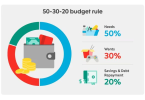
A monthly budget helps control spending and improve savings.
Include:
- Household income
- Mortgage or rent
- Utilities
- Groceries
- Transportation
- Insurance
- Debt payments
- Entertainment
- Savings
Review your budget every month and adjust it when necessary.
Step 3: Build an Emergency Fund
Unexpected expenses are part of life.
Aim to save three to six months of essential living expenses in an emergency fund.
This provides financial protection during job loss, medical emergencies, or major repairs.
Step 4: Manage Debt Wisely
Reduce high-interest debt whenever possible.
Prioritize:
- Credit cards
- Personal loans
- Auto loans
Avoid taking on unnecessary debt while working toward your financial goals.
Step 5: Save for Your Children’s Future

Education expenses continue to rise.
Start saving early to reduce future financial pressure.
Even small monthly contributions can grow significantly over time.
Step 6: Plan for Retirement
Do not focus only on your children’s future.
Continue saving for your own retirement to maintain financial independence later in life.
Step 7: Protect Your Family with Insurance
Insurance helps protect your family’s finances during unexpected situations.
Consider:
- Health insurance
- Life insurance
- Home insurance
- Auto insurance
- Disability insurance
Adequate coverage reduces financial risk.
Step 8: Increase Family Savings
Look for ways to save more each month.
Ideas include:
- Cooking at home
- Reducing subscriptions
- Shopping during sales
- Using cashback rewards
- Limiting impulse purchases
Direct the extra savings toward your financial goals.
Step 9: Invest for Long-Term Growth
Saving alone may not be enough.
Long-term investments can help grow your wealth while working toward retirement and other major goals.
Choose investments that match your financial objectives and risk tolerance.
Step 10: Review Your Financial Plan Regularly
Financial situations change over time.
Review your family’s financial plan at least once a year to ensure it continues to meet your needs.
Benefits of Financial Planning for Families
- Creates long-term financial security
- Improves budgeting habits
- Reduces financial stress
- Builds emergency savings
- Supports children’s education
- Encourages responsible spending
- Helps eliminate debt
- Improves retirement readiness
- Protects against unexpected expenses
- Strengthens overall financial confidence
Disadvantages and Challenges
Although financial planning is highly beneficial, families may face certain challenges.
- Requires discipline and consistency
- May involve reducing unnecessary spending
- Income limitations can slow progress
- Unexpected emergencies may affect savings
- Long-term goals require patience
With commitment and regular planning, these challenges become easier to manage.
Common Mistakes to Avoid
Avoid these common financial planning mistakes:
- Not creating a monthly budget
- Ignoring emergency savings
- Spending beyond your income
- Delaying retirement planning
- Carrying high-interest debt
- Failing to review financial goals
- Not having adequate insurance
- Making emotional financial decisions
Avoiding these mistakes helps create stronger financial stability.
Frequently Asked Questions
1. Why is financial planning important for families?
Financial planning helps families manage expenses, save for future goals, prepare for emergencies, and achieve long-term financial security.
2. How much should a family save every month?
Many financial experts recommend saving at least 20% of household income whenever possible, although any consistent amount is beneficial.
3. When should families start financial planning?
The earlier families begin, the more time they have to build savings, investments, and financial security.
4. What should be included in a family budget?
A family budget should include income, housing, food, transportation, insurance, debt payments, entertainment, and savings.
5. How large should an emergency fund be?
Most financial experts recommend saving enough to cover three to six months of essential living expenses.
6. Can financial planning reduce stress?
Yes. Having a clear financial plan provides confidence, reduces uncertainty, and helps families prepare for unexpected expenses.
Expert Tips and Bonus Points
Financial professionals recommend:
- Hold regular family budget meetings.
- Track monthly expenses carefully.
- Automate savings whenever possible.
- Review insurance coverage annually.
- Increase savings after salary raises.
- Avoid unnecessary lifestyle inflation.
- Teach children basic money management skills.
- Stay focused on long-term financial goals instead of short-term spending.
Consistent financial habits often produce the greatest long-term success.
Conclusion
Financial planning for families is one of the most effective ways to create long-term financial security and peace of mind. By setting clear goals, creating a realistic budget, managing debt responsibly, building emergency savings, and investing for the future, families can confidently prepare for both expected and unexpected financial challenges. Financial planning is not about restricting your lifestyle but about making informed decisions that support your family’s future.
Remember that every family’s financial situation is unique, so your plan should reflect your income, priorities, and long-term objectives. Small, consistent improvements in budgeting and saving can produce significant results over time. Whether your goal is buying a home, funding your children’s education, or enjoying a comfortable retirement, following a structured financial plan will help you achieve those milestones with greater confidence. Start implementing these strategies today and build a stronger financial future for your entire family.