
Introduction
Learning how to save money fast is one of the most valuable financial skills you can develop. Whether you want to build an emergency fund, pay off debt, buy a new car, or prepare for future goals, saving money consistently can improve your financial stability and reduce stress. The good news is that you do not need a high income to start saving. Instead, you need a practical plan, smart spending habits, and the discipline to stick with your goals.
Many people believe saving money requires giving up everything they enjoy. In reality, successful saving is about making better financial decisions rather than making your life difficult. Small daily expenses often seem insignificant, but over time they can consume a large part of your income. Identifying these spending habits allows you to keep more money without sacrificing your quality of life.
This guide explains how to save money fast using realistic and beginner-friendly strategies. From creating a budget to reducing unnecessary expenses and increasing your income, each step will help you reach your financial goals more efficiently. Whether you are just starting your savings journey or looking for better money management tips, these proven methods can help you achieve lasting financial success.
What Is How to Save Money Fast?
How to save money fast refers to practical methods that help individuals reduce unnecessary expenses, increase savings, and improve financial habits within a short period. It focuses on making smarter financial decisions instead of making extreme sacrifices.
Saving money quickly involves understanding your income, controlling your spending, setting financial goals, and finding ways to grow your savings consistently. It is not about becoming wealthy overnight but about building better habits that produce long-term financial security.
Why Is How to Save Money Fast Important?
Saving money offers more than financial security. It provides peace of mind and greater control over your future.
Some key reasons include:
- Creates an emergency fund
- Reduces financial stress
- Helps avoid unnecessary debt
- Supports long-term financial goals
- Increases financial independence
- Makes unexpected expenses easier to manage
- Provides more investment opportunities
Developing strong saving habits today creates a stronger financial future tomorrow.
Detailed Step-by-Step Guide
Step 1: Set Clear Financial Goals
Start by deciding exactly what you want to save for.
Examples include:
- Emergency fund
- Vacation
- Home purchase
- Education
- Business investment
- Retirement
Specific goals help you stay motivated and measure your progress.
Step 2: Create a Monthly Budget
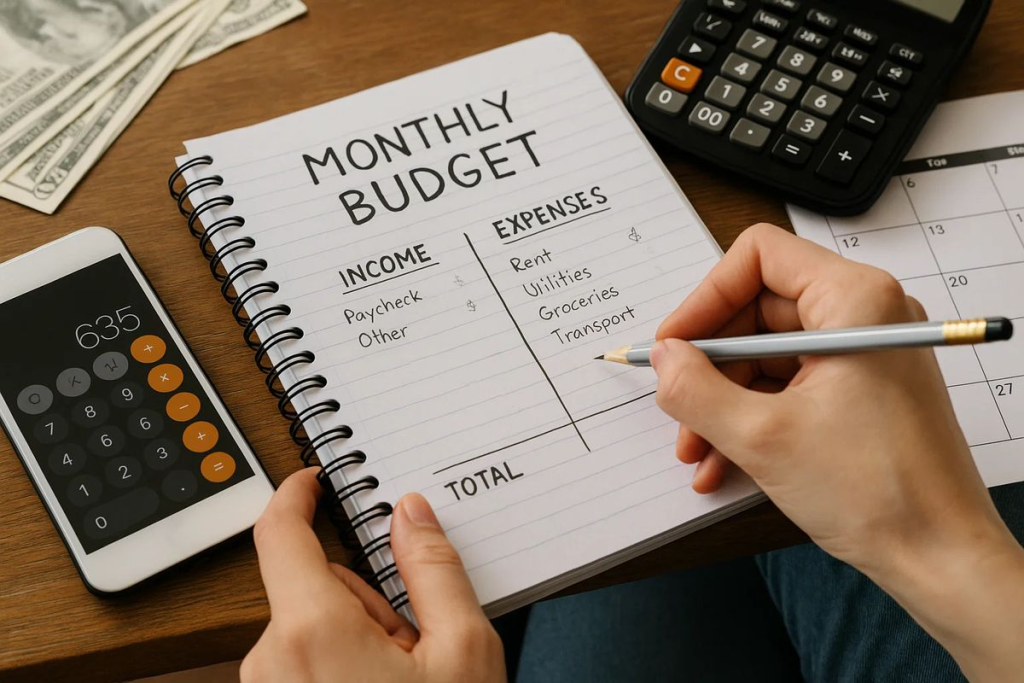
A budget helps you understand where every dollar goes.
Include:
- Monthly income
- Fixed expenses
- Variable expenses
- Savings
- Entertainment
Review your budget regularly and adjust it whenever necessary.
Step 3: Track Every Expense
Keep a record of every purchase for at least one month.
Tracking spending helps identify unnecessary expenses such as:
- Daily coffee
- Online shopping
- Streaming subscriptions
- Fast food
- Impulse purchases
Small savings quickly become significant over time.
Step 4: Reduce Unnecessary Spending
Look for expenses that do not add real value.
Consider cutting back on:
- Multiple streaming services
- Dining out frequently
- Premium memberships
- Luxury purchases
- Brand-name products when cheaper alternatives exist
Every small reduction increases your savings.
Step 5: Cook More Meals at Home
Preparing meals at home costs much less than eating at restaurants.
Benefits include:
- Lower grocery bills
- Healthier meals
- Better portion control
- Reduced food waste
Meal planning also prevents unnecessary grocery shopping.
Step 6: Increase Your Income
Saving becomes easier when you earn more.
Possible ideas include:
- Freelancing
- Tutoring
- Selling unused items
- Online services
- Weekend jobs
- Affiliate marketing
- Digital products
Save most of your additional income instead of increasing your spending.
Step 7: Automate Your Savings
Set up automatic transfers from your checking account to your savings account every payday.
Automation removes the temptation to spend money before saving it.
Step 8: Avoid Impulse Buying
Before making a purchase, ask yourself:
- Do I really need this?
- Can I wait 24 hours?
- Is there a cheaper option?
Waiting before buying often prevents unnecessary spending.
Step 9: Build an Emergency Fund
Unexpected expenses happen to everyone.
Aim to save at least three to six months of living expenses.
An emergency fund protects your finances during difficult situations.
Step 10: Review Your Progress Monthly
Check your savings every month.
Celebrate milestones and make adjustments whenever necessary to stay on track.
Benefits of How to Save Money Fast
- Improves financial security
- Reduces stress and anxiety
- Builds financial confidence
- Helps achieve financial goals sooner
- Reduces dependence on credit cards
- Creates better spending habits
- Provides emergency protection
- Encourages long-term investing
- Improves financial discipline
- Increases overall peace of mind
Disadvantages and Risks
Although saving money is beneficial, there are some challenges.
- Requires patience
- May involve lifestyle changes
- Unexpected emergencies can slow progress
- Income limitations may reduce savings speed
- Requires consistent financial discipline
- Poor budgeting may reduce effectiveness
These challenges can be managed with realistic planning and consistent effort.
Common Mistakes to Avoid
Many people struggle because they repeat the same financial mistakes.
Avoid these common problems:
- Not creating a budget
- Ignoring small daily expenses
- Shopping without a list
- Using savings for unnecessary purchases
- Depending too much on credit cards
- Failing to track spending
- Setting unrealistic savings goals
- Giving up after temporary setbacks
Learning from these mistakes improves your chances of long-term financial success.
Frequently Asked Questions
1. What is the fastest way to save money?
The fastest method combines budgeting, reducing unnecessary spending, increasing income, and automatically transferring money into savings every payday.
2. How much should I save every month?
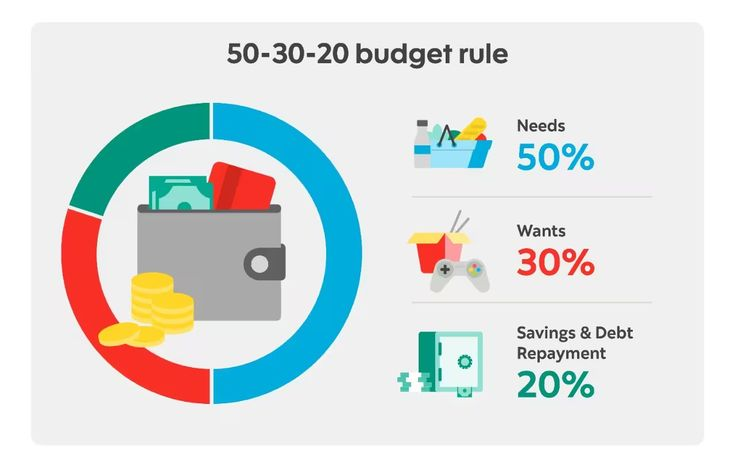
Financial experts often recommend saving at least 20% of your monthly income, but any consistent amount is better than saving nothing.
3. Can I save money with a low income?
Yes. Even small savings grow over time. Focus on reducing expenses, avoiding impulse purchases, and increasing your income whenever possible.
4. Should I pay off debt before saving?
If your debt has high interest, paying it down quickly is usually the better financial decision while still maintaining a small emergency fund.
5. Why do people struggle to save money?
Common reasons include poor budgeting, unnecessary spending, impulse buying, and lack of financial goals.
6. How long does it take to build good savings?
The timeline depends on your income, expenses, and savings rate. Consistent saving every month produces meaningful results over time.
Expert Tips and Bonus Points
Financial experts recommend these habits:
- Save money before spending it.
- Increase your savings whenever your income grows.
- Compare prices before making purchases.
- Use cashback rewards wisely.
- Avoid emotional shopping.
- Review your budget every month.
- Keep emergency savings separate.
- Focus on long-term financial goals instead of short-term spending.
Consistency is far more important than trying to save large amounts occasionally.
Conclusion
Understanding how to save money fast is about developing smart financial habits that work consistently over time. Saving money does not require earning a huge salary or making extreme sacrifices. Instead, it requires planning, budgeting, discipline, and making thoughtful spending decisions every day. Even small improvements in your financial habits can create significant long-term results.
Start by setting realistic financial goals, creating a monthly budget, tracking your expenses, and reducing unnecessary purchases. Combine these habits with increasing your income whenever possible and automating your savings to make consistent progress. Remember that saving money is a journey rather than a one-time achievement.
Everyone’s financial situation is different, so focus on steady improvement instead of comparing yourself to others. The sooner you begin practicing these money-saving strategies, the sooner you will build financial security and enjoy greater peace of mind. By applying the practical tips in this guide, you can confidently take control of your finances and create a stronger, more stable future for yourself and your family.