

introduction
Personal finance is one of the most valuable life skills anyone can develop. Whether you have just started earning or want to improve your financial habits, understanding how to manage money effectively can help you build a secure future. Good financial decisions reduce stress, improve confidence, and provide opportunities that might otherwise seem impossible.
Many people believe that managing money is only about earning more. In reality, financial success depends on how wisely you use what you already have. Even individuals with high incomes can face financial problems if they spend carelessly or ignore saving and investing. On the other hand, people with average incomes often build wealth by following smart financial strategies consistently.
Learning personal finance does not require an advanced degree or years of experience. Simple habits such as creating a budget, tracking expenses, saving regularly, and avoiding unnecessary debt can make a significant difference over time. Small improvements today often lead to major financial benefits in the future.
This guide explains essential personal finance tips that beginners and intermediate readers can easily understand and apply. From budgeting and emergency savings to investing and avoiding common financial mistakes, every section provides practical advice to help you take control of your finances. By following these strategies consistently, you can improve your financial health, achieve your goals, and create long-term stability for yourself and your family.
What Is Personal Finance?
Personal finance refers to the management of an individual’s money, including earning, spending, saving, investing, borrowing, and planning for future financial goals. It covers every financial decision you make throughout your life.
A strong personal finance plan helps you:
- Manage your monthly income wisely.
- Control spending habits.
- Build emergency savings.
- Invest for long-term growth.
- Prepare for retirement.
- Reduce financial stress.
Good financial management is not about becoming wealthy overnight. Instead, it focuses on making informed decisions that improve your financial well-being over time.
Why Is Personal Finance Important?
Managing your finances effectively offers many advantages beyond simply saving money. It gives you greater control over your future and reduces uncertainty during difficult times.
Some key reasons include:
- Better control over daily expenses.
- Increased financial security.
- Reduced dependence on loans.
- Improved ability to handle emergencies.
- Greater confidence when making financial decisions.
- Better preparation for major life events such as buying a home or funding education.
Strong financial habits also allow you to pursue personal goals without constantly worrying about money.
Detailed Step-by-Step Guide
Step 1: Understand Your Income
Begin by calculating your total monthly income after taxes and deductions. Knowing exactly how much money you receive helps you create realistic financial plans.
Step 2: Create a Monthly Budget
List all essential expenses such as housing, utilities, transportation, groceries, insurance, and loan payments. Allocate a specific amount for savings before planning discretionary spending.
A budget gives every dollar a purpose and prevents unnecessary purchases.
Step 3: Track Every Expense
Record all daily expenses using a notebook, spreadsheet, or budgeting app. Small purchases often add up faster than expected.
Review your spending at the end of each month to identify areas where you can reduce costs.
Step 4: Build an Emergency Fund
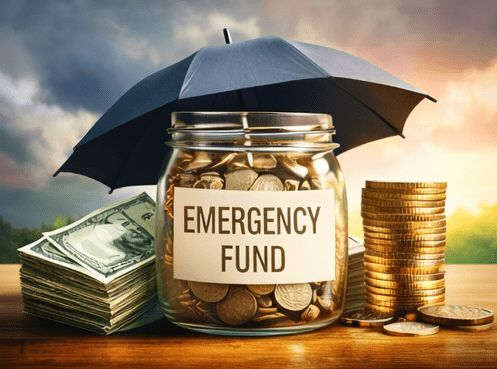
Unexpected situations like medical emergencies or job loss can create financial pressure.
Aim to save at least three to six months of essential living expenses in a separate emergency account.
Step 5: Reduce High-Interest Debt
Credit card balances and high-interest loans can quickly become expensive.
Prioritize paying off debts with the highest interest rates while continuing minimum payments on other accounts.
Step 6: Start Saving Consistently
Saving should become a monthly habit rather than an occasional activity.
Even small automatic transfers into a savings account help build financial discipline over time.
Step 7: Begin Investing
Once your emergency fund is established, consider investing for long-term financial growth.
Diversification helps reduce risk while increasing the potential for consistent returns.
Step 8: Protect Your Finances
Insurance plays an important role in personal finance planning.
Health, life, home, and vehicle insurance protect your finances against unexpected losses.
Step 9: Review Financial Goals Regularly
Financial priorities change throughout life.
Review your budget, savings, investments, and expenses every few months to ensure they still support your goals.
Benefits of Personal Finance
Following smart personal finance tips can improve both your financial health and your overall quality of life. Some of the biggest benefits include:
- Better control over income and expenses.
- Increased savings for future goals.
- Reduced financial stress and anxiety.
- Improved ability to handle emergencies.
- Greater financial independence.
- Better credit management.
- Increased investment opportunities.
- More confidence when making major financial decisions.
- Stronger long-term wealth creation.
- Better preparation for retirement.
Developing good financial habits today creates lasting benefits that continue for years.
Disadvantages / Risks
Although personal finance planning offers many advantages, there are some challenges to be aware of.
- Creating a budget requires discipline and consistency.
- Investing always involves some level of market risk.
- Unexpected emergencies can affect financial plans.
- Poor financial advice may lead to costly mistakes.
- Inflation can reduce the value of savings over time.
- Lack of financial education may slow progress.
Understanding these risks helps you prepare better and make informed financial decisions.
Common Mistakes to Avoid
Many people struggle financially because of avoidable mistakes rather than low income. Recognizing these habits can save you money and help you reach your goals faster.
One common mistake is spending more than you earn. Consistently living beyond your means often results in growing debt and financial stress. Another mistake is failing to create a realistic budget. Without a spending plan, it becomes difficult to know where your money goes each month.
Ignoring emergency savings is another major problem. Unexpected expenses such as medical bills or car repairs can quickly disrupt your finances if you are unprepared. Delaying investing for too long is also costly because you lose valuable time for compound growth.
Many people rely heavily on credit cards without paying the balance in full, leading to expensive interest charges. Others make emotional purchases without considering whether they truly need the item.
Finally, failing to review financial goals regularly can cause your plan to become outdated as your income, expenses, and priorities change.
FAQs
1. What are personal finance tips?
Personal finance tips are practical strategies that help individuals manage income, control expenses, save money, reduce debt, invest wisely, and achieve financial stability.
2. How much should I save every month?
A common recommendation is to save at least 20 percent of your monthly income. However, any consistent amount is better than not saving at all.
3. Why is budgeting important?
Budgeting helps you control spending, avoid unnecessary expenses, and ensure that your money supports your financial goals.
4. When should I start investing?
You should begin investing after building an emergency fund and paying down high-interest debt. Starting early provides more time for investments to grow.
5. How large should an emergency fund be?
Most financial experts recommend saving enough to cover three to six months of essential living expenses.
6. Can beginners manage personal finances successfully?
Yes. Anyone can improve their financial situation by learning basic money management skills, following a budget, saving regularly, and making informed financial decisions.
Expert Tips & Bonus Points
- Pay yourself first by saving before spending.
- Automate monthly savings whenever possible.
- Review your budget every month.
- Set both short-term and long-term financial goals.
- Diversify investments instead of relying on one asset.
- Continue learning about financial management through trusted educational resources.
- Avoid impulse purchases by waiting before making large buying decisions.
- Increase savings whenever your income grows.
- Track your progress regularly to stay motivated.
- Remember that consistency is more important than perfection.
Conclusion
Managing money effectively is a lifelong skill that can transform your financial future. By applying practical personal finance tips, you can build healthy financial habits, reduce unnecessary stress, and make smarter decisions with every dollar you earn. Success does not depend on having a large income. Instead, it comes from spending wisely, saving consistently, investing patiently, and planning ahead.
Creating a budget, tracking expenses, building an emergency fund, reducing debt, and investing for the future are simple yet powerful steps that anyone can follow. While challenges such as unexpected expenses and market fluctuations may arise, maintaining discipline and reviewing your financial plan regularly will help you stay on track.
Financial freedom is achieved through consistent actions rather than quick solutions. Every positive decision you make today contributes to a stronger financial future tomorrow. Whether your goal is buying a home, starting a business, traveling, or enjoying a comfortable retirement, good money management provides the foundation for long-term success. Start implementing these strategies today, remain committed to your goals, and continue improving your financial knowledge. Over time, these habits will help you build lasting financial security and greater confidence in every financial decision you make.